




How to Store Protein Powder Properly (And Keep It Fresh)
Posted by UPROTEIN on

Dr Muriel Moes | Accredited Dietitian
4 mins read
A bag of protein is an investment, especially when you buy in bulk to get better value. Store it well and it stays fresh, mixes cleanly and tastes the way it should right up to the best-before date. Store it badly and you can end up with clumps, off flavours and powder that is past its best sooner than it should be.
The good news is that keeping protein powder in good shape is easy once you know what to look out for.
This guide covers why storage matters, exactly how to store your powder at home, whether the fridge is a good idea, and the containers and habits that keep every bag fresh.
Why does proper protein powder storage matter?
Protein powder has four enemies: moisture, air, heat and light. Moisture is the big one. Even a little dampnes, a wet scoop, humid air, a tub left open near the kettle can cause clumping and speed up spoilage. Air exposure dulls the flavour over time, heat can affect quality, and strong light does the powder no favours either.
Get on top of those four and your powder behaves. You avoid the rock-hard clumps, the flavour holds up, and you get the full life out of the tub you paid for. None of it takes any real effort, it just takes the right habits.
Here are the essentials for storing protein powder
Here’s the short version you can act on straight away:
- Keep it cool, dry and out of the light. A pantry or cupboard away from the oven, kettle and windows is ideal. Avoid the fridge (more on that below).
- Seal it properly every time. Push the air out of the bag or click the lid shut so moisture and air stay out between uses.
- Keep the scoop dry. Never dip a wet scoop into the tub, and store the scoop sitting in the powder rather than tossing it in the sink drawer damp.
- Steer clear of the danger zones. The cupboard above the stovetop and the shelf next to the sink are the two worst spots, because that’s where heat and steam live.
Do these four things and you’ve covered the vast majority of what causes protein to go downhill early.
Should you keep protein powder in the fridge?
It’s a common question and the short answer is no. Protein powder is a dry product, and it’s happiest in a stable, room temperature spot like the pantry.
The problem with the fridge is condensation. Every time you take a cold tub out into a warm kitchen, moisture forms on the powder as it warms up, then goes back in with the tub. Over time that dampness is exactly what causes clumping and shortens the life of your powder.
Unless a product specifically tells you to refrigerate it, keep your protein in the cupboard and save the fridge space for your food.
The best containers for protein powder storage
Your protein pouch is built to reseal, so pressing the air out and folding or clicking the seal shut after every scoop keeps it doing its job properly between uses. That alone will see most bags through to their best-before date in good shape.
If you buy in bulk, transferring your powder into one or two larger airtight containers can make things a bit simpler on the shelf. And for grabbing a serve on the go — gym bag, work bag, a weekend away, a dedicated portioning container is even handier than carrying a pouch or a whole tub with you.
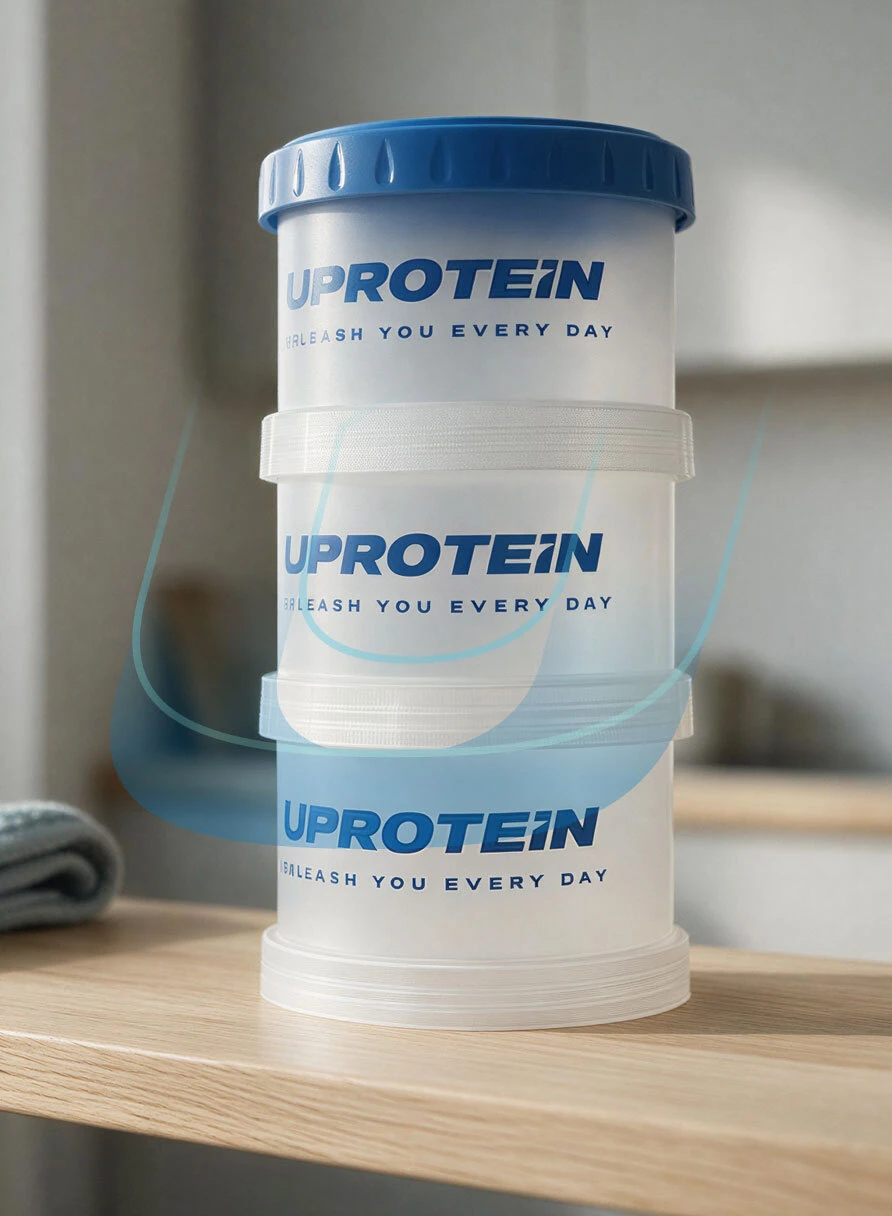
Our Nutrition & Protein Storage Container is a food grade, BPA free set of three screw together 40g compartments, so you can pre portion protein, creatine or pre workout ahead of the days you're out of the house. Take a look at our full range of protein storage solutions if you want to get your whole supplement shelf sorted.

Keep your scoop and shaker clean
Storage isn't just about the bag; the scoop and your shaker matter too. A damp scoop is one of the quickest ways to introduce moisture, so dry it before it goes back in, or keep a spare so there is always a dry one on hand.
Shakers need attention as well. Rinse yours straight after use, give it a hand wash regularly and let it dry fully before the lid goes on so it doesn't get musty. And try not to leave a mixed shake sitting out for hours — make it when you're ready to drink it and your gear stays fresher for it.

How long does protein powder last?
Every bag carries a best before date and that's your first point of reference. Check the pack and use it as your guide. Stored properly, most protein powders, like whey protein isolate comfortably last through their stated life.
Your senses are a good backup. If after extended periods of time the powder smells off, has gone hard and clumpy, it has likely had its day. Powder that has been kept cool, dry and sealed is far more likely to reach its best-before in good shape, which is the whole point of storing it well in the first place.
Protein storage really comes down to a few small habits
Keep it cool, dry and sealed, use a dry scoop, skip the fridge and check the best before. Do that and every bag tastes the way it should and lasts as long as it shoul, which protects both the flavour and the value of what you've bought.