
The Role of Protein in Recovery and Reducing Soreness
Posted by UPROTEIN on

Dr Muriel Moes | Accredited Dietitian
10 mins
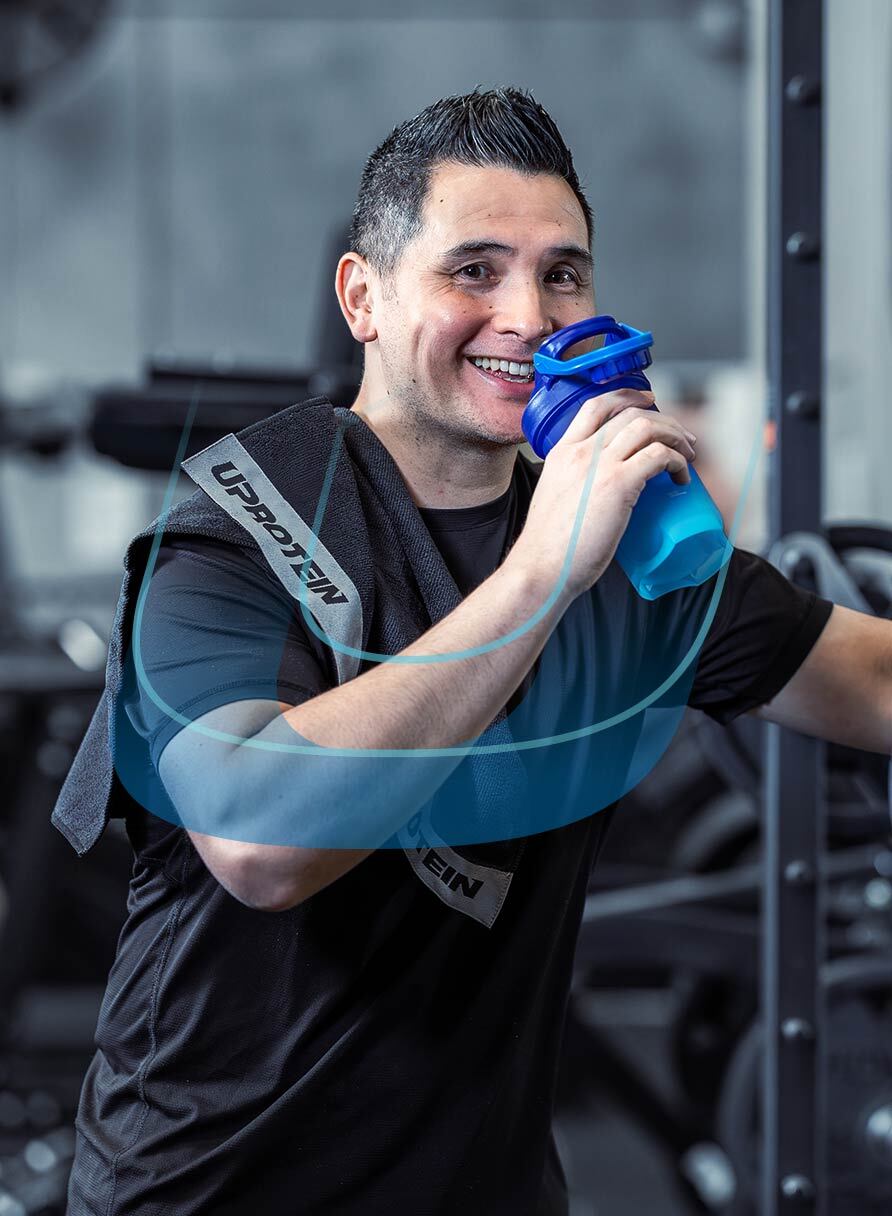
When you push your body through a hard training session, whether it’s heavy squats, sprint intervals, or a long endurance ride, your muscles experience tiny amounts of microscopic damage. This is a normal and necessary part of getting stronger, leaner and fitter. The real progress, however, happens after the workout. And that recovery process relies heavily on one key nutrient: protein. High quality protein provides the amino acids your body needs to repair muscle fibres, support adaptation, reduce inflammation and help ease post exercise soreness, so you can recover faster and train harder next time.
Getting your protein intake right can make the difference between bouncing back quickly or spending days feeling stiff and sluggish. While carbohydrates replenish your energy stores, protein for muscle recovery plays a more structural role, repairing and strengthening the tissue that’s been broken down. It’s not just about eating more; it’s about timing, type and consistency.
Acute Recovery Versus Long Term Adaptation
Recovery happens in two overlapping phases. The acute phase begins almost immediately after training. Your body starts repairing muscle fibres, restoring glycogen and balancing fluid levels. In this stage, protein intake is crucial because the rate of muscle protein growth or synthesis (MPS) rises sharply in the hours following exercise. Supplying amino acids during this window helps reduce soreness and kick-start the rebuilding process.
Then comes the long-term adaptation phase, the cumulative effect of consistently meeting your protein needs over days and weeks. This is when the real strength, size and performance gains occur. Neglecting protein during this period can blunt progress, even if your short-term recovery nutrition looks perfect. Athletes who prioritise protein and muscle soreness management over time tend to recover faster and perform better.
Muscle Protein Synthesis and the Leucine Threshold
Leucine is one of the nine essential amino acids and a powerful trigger for muscle growth. It acts like a switch, once the body senses enough leucine, muscle repair begins. The challenge is hitting what’s known as the leucine threshold in each meal or shake.
Most research suggests around 2-3 grams of leucine per serve is enough to maximise protein synthesis in most adults. High quality protein sources such as whey isolate or whey concentrate make it easy to hit that mark, as they’re naturally rich in leucine and rapidly absorbed. For plant based athletes, blends of pea and rice protein can achieve similar results when the amino acid profile is balanced.
Understanding this threshold is key for anyone serious about recovery. You don’t need massive serves of protein each time, just enough to hit that leucine trigger regularly throughout the day.
HIGH LEUCINE PROTEIN POWDERs
Compare Leucine Per 100g of protein powder across the Uprotein range.
Whey Versus Casein Versus Plant Blends for Soreness
Not all proteins behave the same way once they’re in your system. Whey protein is absorbed quickly, making it ideal for post-workout recovery when your muscles are most receptive to nutrients. It’s a popular choice among athletes looking to reduce soreness and support muscle repair within that critical recovery window.
Casein on the other hand, digests slowly, providing a steady stream of amino acids for several hours. That makes it a great option before bed, helping muscles recover overnight while you sleep.
For those following plant based diets, modern plant blends combine multiple sources — such as pea, rice and faba bean protein, to create a complete amino acid profile. These options are now highly effective for supporting muscle repair, especially when formulated with a focus on leucine content and digestibility.
If you’re looking for the best protein for muscle repair, it’s often less about one single type and more about how you use them throughout your day: whey for quick replenishment, casein for sustained release and plant blends for variety and dietary preferences.

Optimal Dose per Kilogram and Meal Spacing
One of the most practical ways to plan your protein intake is by body weight. The general consensus among sports nutrition experts for how much protein you need is that active individuals need roughly 1.2-1.6 grams and weight trainers for muscle growth need 1.6-2.5g of protein per kilogram of body weight per day.
Rather than loading all of that at once, spreading protein evenly across the day is far more effective for maintaining steady muscle protein synthesis. Aim for 20-40 grams of protein every three to four hours, which aligns nicely with breakfast, lunch, dinner and a couple of snacks or shakes. This approach not only enhances recovery but also reduces the severity of delayed onset muscle soreness (DOMS). Regular protein feedings ensure your muscles are consistently supplied with amino acids, supporting both short term repair and long term adaptation.
For athletes looking to optimise results, tracking protein per kilogram and spacing intake evenly can make a measurable difference in recovery, soreness and overall training performance.
Timing Around Resistance Versus Endurance Sessions
Protein timing can vary slightly depending on your training style. After resistance sessions, such as strength or hypertrophy training, the goal is to stimulate muscle growth and repair. Consuming a fast digesting protein source like whey isolate within an hour of finishing helps maximise MPS and reduce muscle breakdown. Pairing it with a small amount of carbohydrate can further enhance recovery by supporting glycogen replenishment and hormonal balance.
In contrast, endurance athletes often experience more oxidative stress and energy depletion than muscle tearing. For them, the priority is to refuel glycogen while still supplying enough amino acids to repair any minor muscle damage. A blend of carbs and protein in a 3:1 ratio works best post-session, for example, a smoothie with whey protein, banana and oats.
What matters most is consistency. Whether your training involves heavy lifting or long distance running, ensuring protein intake both before and after exercise helps minimise soreness and primes your body for the next session.
Athletes and Low Energy Availability Considerations
Sleep is when most of your recovery actually happens. Growth hormone peaks during deep sleep and protein intake before bed can help your body take full advantage of that natural repair window. This is where micellar casein protein shines.
Casein digests slowly over several hours, steadily releasing amino acids into your bloodstream while you rest. This prolonged delivery supports muscle repair through the night, reduces overnight breakdown and may even improve morning readiness for training.
A simple casein shake or protein rich snack like Greek yoghurt about 30 minutes before bed is often enough to maintain amino acid availability overnight. For athletes or those training multiple times per day, this can make a noticeable difference in soreness and recovery time.
Pairing good sleep hygiene, consistent bedtime, cool dark room, minimal screens, with strategic protein intake can dramatically improve the quality of your recovery cycle.
Timing Around Resistance Versus Endurance Sessions
Protein needs are often underestimated for female athletes. While overall energy expenditure may differ from males, the biological processes of muscle repair, hormone regulation and immune recovery still rely heavily on adequate protein intake.
One common issue in active women is low energy availability, when total energy intake doesn’t meet the demands of training and daily function. This can lead to fatigue, disrupted menstrual cycles, impaired bone health and slower recovery.
Protein for women plays a critical role here, not only in maintaining muscle mass but also in stabilising appetite and supporting energy balance.
Aiming for consistent protein across all meals, rather than saving it for post-workout shakes, helps smooth energy levels throughout the day and prevents dips in recovery capacity.
For women training intensely or multiple times per week, supplementing with a complete, leucine-rich protein source can help close nutritional gaps and sustain long term health and performance.

Hydration and Electrolytes Alongside Protein Intake
While protein often takes the spotlight in recovery discussions, hydration and electrolyte balance are equally important. Water supports the transport of amino acids to muscle tissue and helps flush metabolic by products that contribute to soreness.
After exercise, sweat loss can leave you low in sodium, potassium and magnesium, minerals essential for muscle contraction and relaxation. When these aren’t replenished, you’re more likely to experience cramps, fatigue and delayed recovery.
Pairing your post workout protein shake with an electrolyte drink or simply adding a pinch of sea salt to your meal can restore balance. For endurance athletes, hydration strategies are especially crucial, as fluid losses can compound muscle soreness and impair the benefits of protein for recovery.
In short, protein and hydration work hand-in-hand, one rebuilds, the other transports. Ignoring either limits how well you recover between sessions.
Overtraining Risk When Protein is Inadequate
Overtraining isn’t just about doing too much, it’s also about not recovering enough. When the body consistently operates in a protein deficient state, small muscle tears accumulate, immune function drops and training progress stalls. You might notice chronic soreness, disrupted sleep, mood changes, or a plateau in strength.
Adequate protein intake helps prevent this by supporting tissue repair and reducing systemic inflammation. Even a small shortfall over time can compound into fatigue and overuse injuries. This is why consistent intake, not just post-workout protein, is so vital for athletes training regularly.
If you’re increasing your training volume or entering a high intensity block, consider reassessing your total daily intake. Upping your protein slightly, especially from complete sources like whey or high-quality blends, can help buffer the stress your body is under and reduce the risk of burnout.
Supporting your recovery
At Uprotein, we understand that recovery is as important as the workout itself. That’s why our range of protein powders, whey protein blends, casein protein and amino blends are formulated to deliver the ideal balance of amino acids for muscle repair and reduced soreness.
Whether you’re chasing PBs in the gym, prepping for endurance events, or simply training to feel your best, our products make it easy to hit your recovery goals. Every Uprotein formula is backed by scientific evidence because when you fuel your body right, results follow naturally.
Explore our range and discover why so many Australian athletes trust Uprotein to power their performance and support faster recovery, session after session.